The name G.I. Joe hasn’t echoed on the maps of power for a long time. No more broadcasted missions, no medals, no memorials. They didn’t retreat because they lost — they retreated because the world no longer wanted men like them.
But when manipulation spreads faster than bullets — through screens, feeds, and poisoned beliefs — When Cobra returns not with tanks, but with narratives, algorithms, and doubt — The forgotten become the only ones still watching.
G.I. Joe 4: Ever Vigilant isn’t a continuation of war — it is an autopsy of the ideals once worshipped. The film doesn’t glorify heroism. It asks:
“When all faith has rotted away, who are you still fighting for?” “And if no one needs you anymore — do you still raise your weapon?
The ones still alive — not because they’re lucky, but because they refuse to die
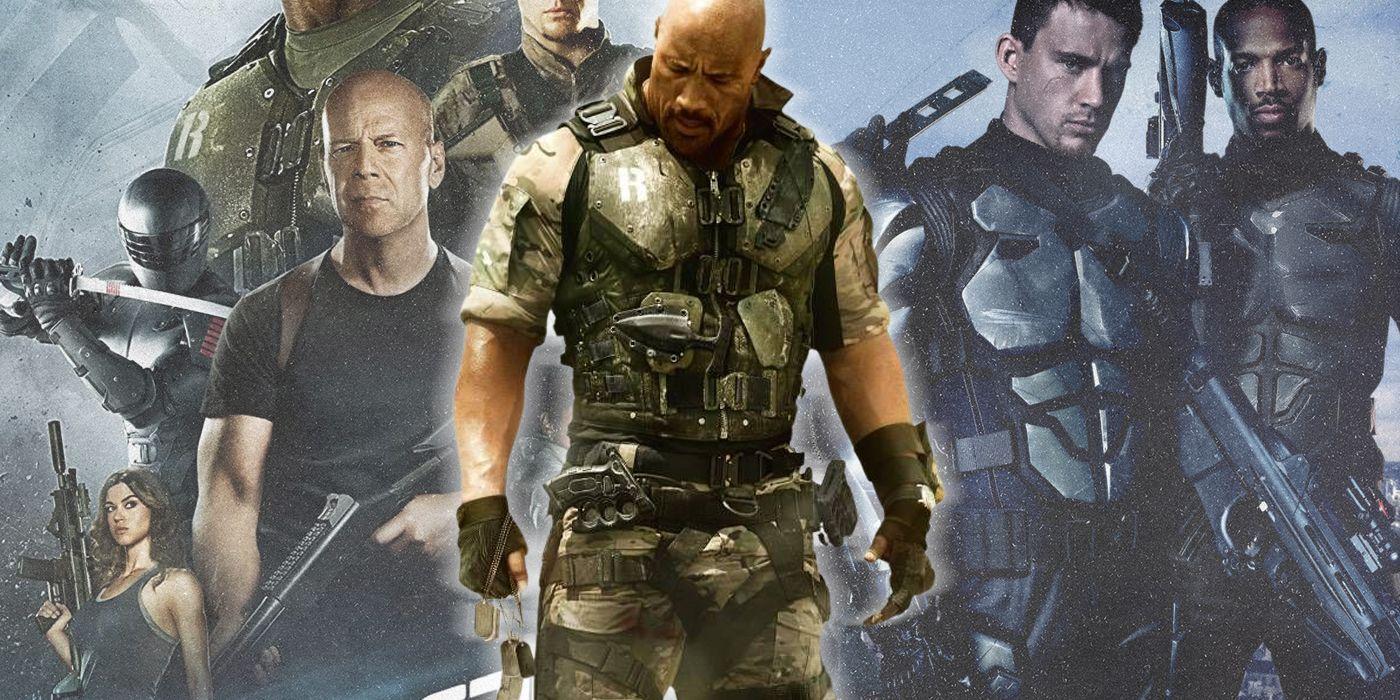
Snake Eyes is no longer a legend. He’s a shadow burdened by the price of old loyalties — fighting for a world that no longer remembers him. Scarlett no longer carries a symbol. She carries scars of betrayal, still walking forward — because stopping would mean admitting defeat. Duke, once thought dead, returns not for justice, nor redemption. Only to say: “I’m still here. And I still see you.”
No more bullets flying — only wounds that will never clot
Cobra doesn’t need a leader anymore. It’s a virus. A system. An idea that can’t be bombed — only delayed, by blood and silence. The battles in this film don’t scream. They slice — clean, close, and final. There are no clear heroes. No cartoon villains. Only people who once believed — and now fight because they’ve forgotten how to stop.
An action film, but really a funeral for a century that never found peace
Director Antoine Fuqua doesn’t shoot a war story — he crafts a requiem for soldiers without a country, without orders, without hope. The camera doesn’t glorify. The silence is louder than the explosions. Long moments unfold without dialogue — a look, an old cassette tape, a wall engraved with the names of forgotten dead.
This isn’t a film that rebuilds anything. It doesn’t inspire. It simply shows the present — and how it’s already crumbling.
And when the system fails, when the lights go out, when no one is watching — they’re still standing. Not for anyone. Not for glory. Just because they once made a vow — and the man who keeps his vow, is sometimes the last one left alive.


Leave a Reply