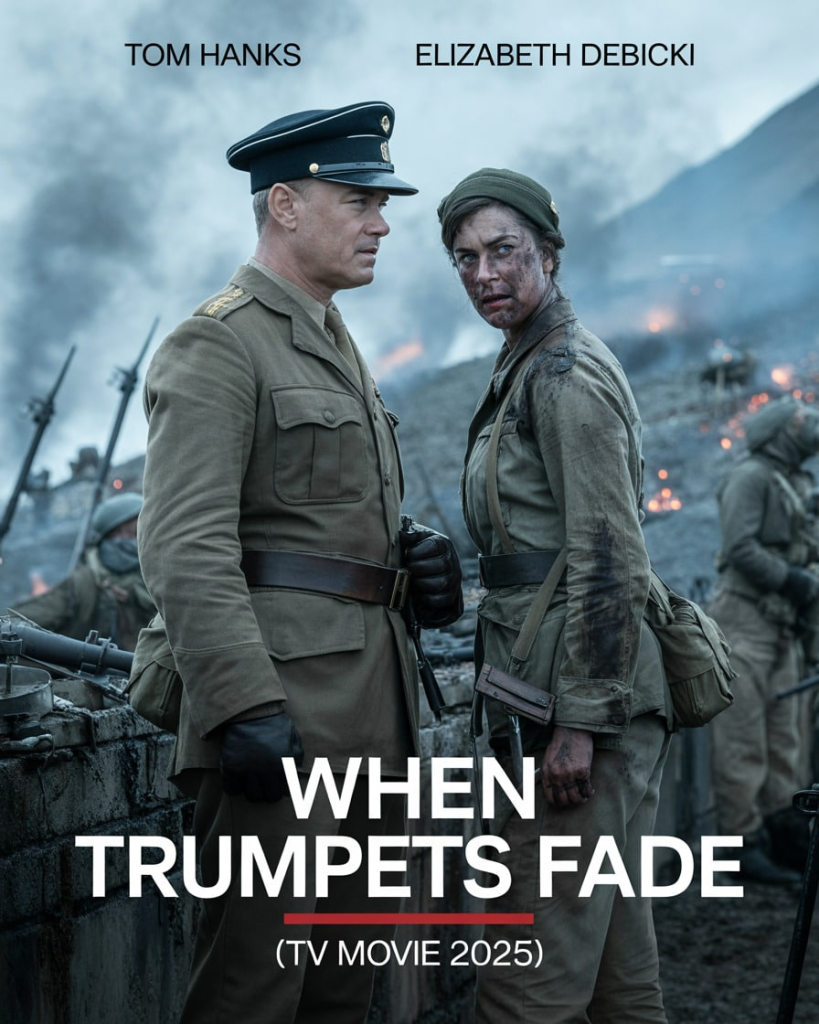
As the cinematic world eagerly anticipates the release of “When Trumpets Fade,” a gripping war film set against the harrowing backdrop of World War II, audiences are primed for a powerful exploration of the human spirit in times of conflict. Starring the acclaimed Tom Hanks and the mesmerizing Elizabeth Debicki, this film promises to delve deep into the psychological and emotional turmoil faced by soldiers during the final days of the war on the German front. With its focus on survival, moral dilemmas, and the essence of duty, “When Trumpets Fade” is poised to leave a lasting impact on viewers.
“When Trumpets Fade” is set during the tumultuous final days of World War II, a period marked by chaos, desperation, and profound loss. As Allied forces pushed into Germany, the landscape was not just a battleground but a canvas of human suffering and resilience. This film aims to capture the essence of that time, highlighting the struggles of soldiers who were not only fighting against enemy forces but also battling their own fears, doubts, and ethical challenges.
The narrative follows a lone soldier who finds himself torn between the instinct for self-preservation and the expectations of his superiors regarding what it means to embody the true fighting spirit. This internal conflict is not just a personal struggle but a reflection of the broader dilemmas faced by many soldiers during the war.

Tom Hanks, a master of portraying complex characters, takes on the role of the lone soldier. Known for his ability to convey deep emotional truths, Hanks brings a wealth of experience to this character, allowing audiences to connect with the soldier’s internal battles. His performance is expected to highlight the nuances of fear, courage, and the instinct to survive, making the character relatable and profoundly human.
Elizabeth Debicki, known for her captivating presence and strong performances, plays a pivotal role that complements Hanks’s character. While details about her character remain closely guarded, her involvement suggests a narrative thread that emphasizes the emotional stakes of war. Debicki’s ability to evoke empathy and depth will likely add a rich layer to the story, showcasing the impact of war on both soldiers and civilians.
One of the most compelling aspects of the film is its exploration of duty versus humanity. The soldier’s struggle to balance the expectations of his superiors with his own moral compass resonates deeply in a world where the lines between right and wrong can become blurred. This theme invites viewers to question what it truly means to be a soldier and the sacrifices that come with that title.
The psychological impact of war on soldiers is another central theme. As the film unfolds, audiences will witness the emotional toll that combat takes on the human psyche. The narrative seeks to portray not only the physical battles fought on the front lines but also the internal wars that rage within each soldier. This exploration of mental health in the context of war is particularly relevant today, as society grapples with understanding and addressing the long-term effects of combat.
Survival is a primal instinct that drives the soldier’s actions throughout the film. As the character navigates the treacherous landscape of war, viewers will be drawn into the harrowing decisions he must make to stay alive. This theme speaks to the resilience of the human spirit and the lengths to which individuals will go to protect themselves and their comrades.
“When Trumpets Fade” is not just a war film; it is a poignant exploration of the human condition set against one of the most devastating conflicts in history. With the exceptional talents of Tom Hanks and Elizabeth Debicki, the film promises to engage audiences on multiple levels emotionally, psychologically, and morally. As we await its release, “When Trumpets Fade” stands as a reminder of the complexities of war and the enduring strength of humanity in the face of adversity.
Leave a Reply