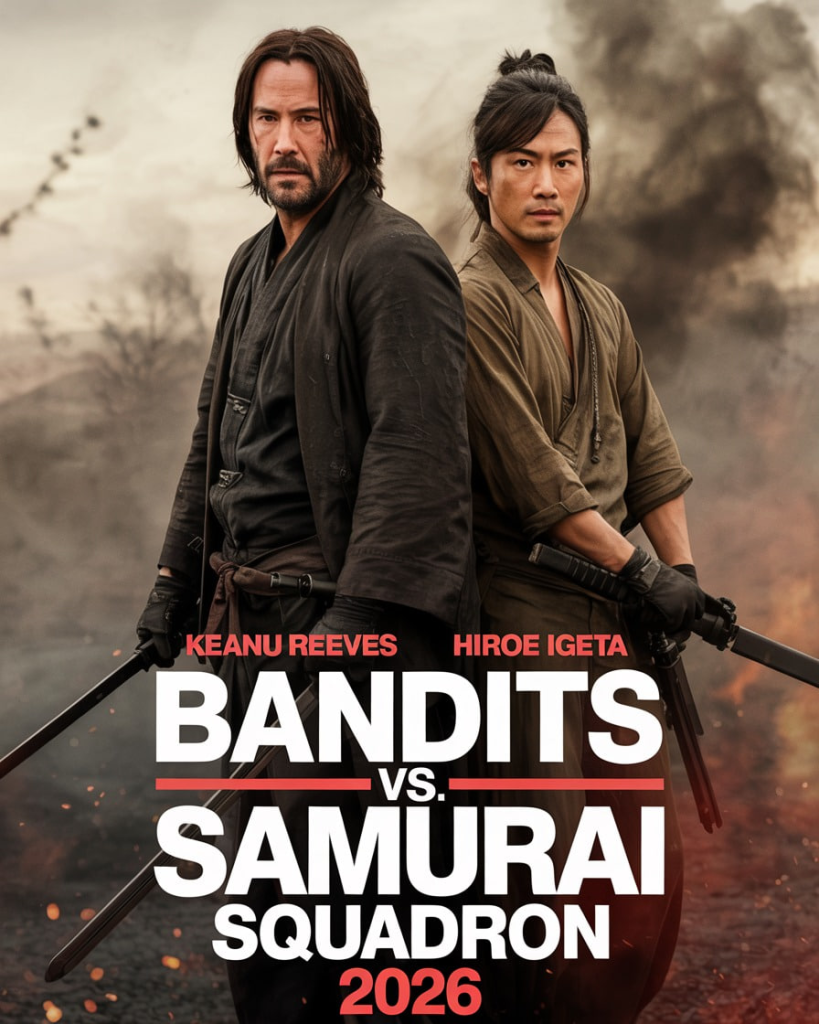
In the landscape of samurai cinema, few films capture the essence of honor, duty, and redemption as compellingly as “Bandits vs. Samurai Squadron.” Starring the charismatic Keanu Reeves and the talented Hiroe Igeta, this film tells the extraordinary tale of Kumokiri Nizaemon, a former samurai who forsakes his noble heritage to lead a band of outlaws. Set against the rich backdrop of feudal Japan, this action-packed narrative delves into the complexities of loyalty and betrayal, making it a must-watch for fans of the genre.
“Bandits vs. Samurai Squadron” begins with the fall of Nizaemon’s clan, leading to his disillusionment with the rigid codes of samurai honor. The film opens with a gripping prologue that establishes Nizaemon’s noble past and the tragic events that force him to abandon his samurai status. Haunted by the loss of his family and clan, he finds himself at a crossroads: to continue living in the shadows of his past or to forge a new path as a leader of bandits.
As the story unfolds, Nizaemon devises a daring plan to reclaim his clan’s castle from the clutches of corrupt officials. This heist serves as the film’s central plot, intertwining action with deep moral questions about loyalty, revenge, and the true meaning of honor. The film expertly balances thrilling action sequences with moments of introspection, allowing viewers to engage with Nizaemon’s internal struggles.

At its core, “Bandits vs. Samurai Squadron” explores the themes of honor and duty, essential elements of samurai culture. Nizaemon’s journey is a reflection of the conflict many samurai faced during the tumultuous periods of Japan’s history. The film raises critical questions: What does it mean to be honorable? Is loyalty to one’s clan more important than personal survival? Through Nizaemon’s choices, the film examines the gray areas of morality, challenging traditional notions of heroism.
The character of Nizaemon, portrayed masterfully by Keanu Reeves, embodies the struggle between adhering to societal expectations and pursuing personal redemption. His interactions with other characters, including Hiroe Igeta’s portrayal of a fierce and loyal bandit, further emphasize the complexities of loyalty and betrayal in feudal society. Each character grapples with their own sense of duty, leading to a rich tapestry of interpersonal dynamics that drive the narrative forward.
One of the standout features of “Bandits vs. Samurai Squadron” is its breathtaking action sequences. The film boasts expertly choreographed fight scenes that pay homage to classic samurai films while incorporating modern cinematic techniques. From intense sword fights to thrilling chases through lush landscapes, the action is both visually stunning and narratively significant.
The cinematography captures the beauty of feudal Japan, enhancing the film’s immersive experience. Each action sequence is meticulously crafted, ensuring that viewers are not only entertained but also emotionally invested in the characters’ fates. The choreography reflects the characters’ motivations and stakes, making each clash not just a display of skill but a pivotal moment in their journeys.
As the film progresses, viewers witness profound character development that adds depth to the narrative. Nizaemon’s transformation from a noble samurai to a bandit leader is portrayed with nuance, allowing audiences to empathize with his plight. The supporting characters, each with their own backstories and motivations, enrich the narrative and highlight the film’s central themes.
Hiroe Igeta’s character serves as a foil to Nizaemon, challenging his beliefs and pushing him to confront his past. Their dynamic is a focal point of the film, illustrating the complexities of loyalty and the impact of personal choices on relationships. The evolution of their characters mirrors the larger themes of redemption and the search for identity in a world fraught with conflict.
“Bandits vs. Samurai Squadron” is more than just a thrilling samurai film; it is an exploration of the human condition, set against the backdrop of feudal Japan. Through its compelling narrative, breathtaking action sequences, and intricate character development, the film invites viewers to reflect on the nature of honor, duty, and redemption.
Leave a Reply