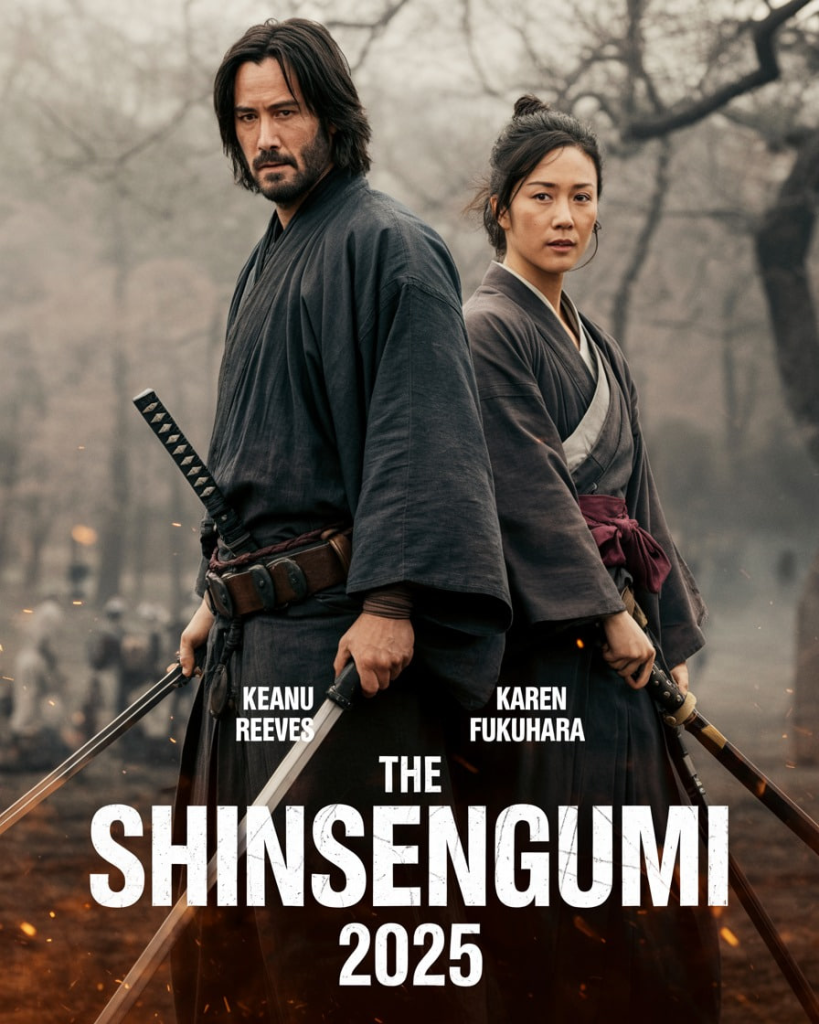
In the cinematic landscape, few narratives resonate as powerfully as those rooted in historical conflict, moral ambiguity, and the struggle for power. “Elegance is the Deadliest Weapon,” featuring the dynamic duo of Keanu Reeves and Karen Fukuhara, is a brutal portrayal of the dying days of Feudal Japan, where the lines between hero and villain are not just blurred but obliterated. This film not only captivates with its stunning visuals and action sequences but also offers a profound commentary on honor, loyalty, and the cost of survival in a time of chaos.
To fully appreciate the narrative of “Elegance is the Deadliest Weapon,” it is essential to understand the historical backdrop of Feudal Japan. The late Edo period, marked by the Tokugawa Shogunate’s decline, saw a significant shift in power dynamics. The Shogunate, which had ruled Japan for over two centuries, faced increasing pressure from the Imperial loyalists who sought to restore the Emperor to power. This period was characterized by political intrigue, social upheaval, and the rise of radical factions, setting the stage for the film’s intense drama.
At the heart of the story are the enigmatic figures of Masters Serizawa and Kondo, portrayed with gravitas by seasoned actors. These characters embody the complexities of loyalty and betrayal. As mentors to a new generation of swordsmen, they are torn between their duty to the crumbling Shogunate and the harsh realities of survival. Their decision to form the Shinsen Group a clandestine organization of assassins reflects their belief that elegance and honor can coexist, even in the darkest of times.

The Shinsen Group serves as a focal point for the film’s exploration of morality. This gang of assassins, composed of innocent student swordsmen, is bound by a strict code of “elegant conduct.” This code is a double-edged sword; while it instills a sense of honor, it also leads them down a path of violence and bloodshed. As they confront the Emperor’s advancing army, the members of the Shinsen Group grapple with the chilling realization that their quest for honor may require them to commit unspeakable acts.
The Emperor’s army represents the relentless force of change, challenging the established order and the very ideals that the Shinsen Group strives to uphold. As the conflict escalates, the film raises critical questions about the nature of power and the sacrifices required to maintain it. The Emperor’s forces are not just antagonists; they symbolize a new era, one that threatens to engulf the old traditions in chaos.
One of the most compelling themes in “Elegance is the Deadliest Weapon” is the cost of honor. The film deftly illustrates that honor in wartime is often intertwined with violence. The characters’ struggles highlight the moral dilemmas faced by those who must choose between their principles and their survival. The notion that “Honor requires blood” serves as a haunting reminder of the sacrifices made in the name of duty and loyalty.
As the narrative unfolds, viewers are invited to question the traditional dichotomy of hero and villain. The Shinsen Group, despite their violent methods, are portrayed with depth, eliciting empathy for their plight. Conversely, the Emperor’s forces, while positioned as the antagonists, are driven by their own sense of righteousness. This moral ambiguity challenges audiences to reconsider their perceptions of good and evil, making for a richer viewing experience.
Directed with a keen eye for detail, “Elegance is the Deadliest Weapon” masterfully blends action with storytelling. The cinematography captures the breathtaking landscapes of Japan, juxtaposing serene beauty with the brutality of combat. The use of color and lighting enhances the film’s emotional depth, drawing viewers into the characters’ internal struggles.
The film’s fight choreography deserves special mention, as it combines traditional martial arts with innovative techniques. Each battle sequence is not just a display of skill but a reflection of the characters’ emotional states and moral conflicts. The elegance of the swordplay serves as a metaphor for the broader themes of the film, illustrating that beauty and brutality often coexist.
Leave a Reply