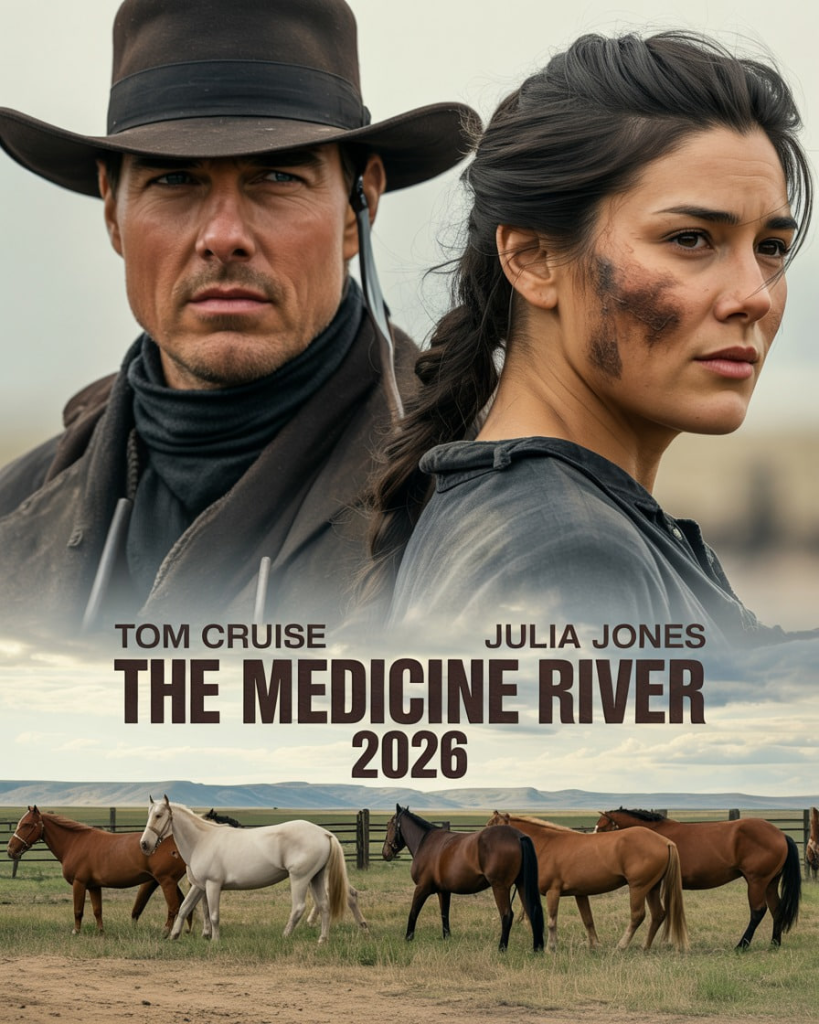
In the realm of psychological dramas, few films resonate as deeply as “The Medicine River.” Starring renowned actors Tom Cruise and Julia Jones, this poignant story unfolds in the fictional Blackfoot Aboriginal reservation in Western Canada. With its rich narrative, stunning visuals, and powerful performances, the film invites viewers on an emotional journey that delves into themes of family, tradition, and personal growth.
At the heart of “The Medicine River” is Will, portrayed by Tom Cruise, a talented photographer who returns to his hometown to attend his mother’s funeral. This return is not merely a physical journey but an emotional one, as Will grapples with complex feelings of grief and loss. The film opens with Will’s arrival in the tranquil community of Medicine River, a place steeped in ancient tribal traditions and culture.
As Will reconnects with his roots, he encounters a quirky cast of characters that challenge his perceptions and beliefs. Each individual he meets represents a different facet of life within the reservation, enriching his understanding of the community and his own identity. This exploration of relationships serves as the film’s backbone, highlighting the importance of connection and belonging.

The film masterfully navigates the complexities of grief. Will’s journey is not just about mourning his mother but also about confronting his past and the unresolved issues that linger. The characters he meets—each with their own stories of loss and resilience act as mirrors, reflecting his struggles and encouraging his healing process.
Through intimate conversations and shared experiences, Will learns that grief is not a solitary journey. The film portrays how community support can facilitate healing, emphasizing that shared pain can lead to collective strength. This theme resonates deeply, particularly for audiences familiar with the nuances of loss and recovery.
“The Medicine River” is not only a personal story but also a celebration of Indigenous culture. Set against the backdrop of a vibrant community, the film showcases the traditions, values, and struggles of the Blackfoot people. The cinematography captures the breathtaking beauty of Western Canada, from sweeping landscapes to intimate moments within the community.
The film’s authenticity is bolstered by its careful attention to cultural representation. Julia Jones, who plays a pivotal role in the story, brings depth and nuance to her character, embodying the strength and resilience of Indigenous women. Together with Cruise, the cast navigates the intricacies of cultural identity, exploring what it means to belong to a community rich in history and tradition.
Visually, “The Medicine River” is a feast for the eyes. The stunning cinematography not only highlights the natural beauty of the setting but also serves as a visual metaphor for Will’s emotional journey. The interplay of light and shadow mirrors his internal struggles, while the vibrant colors of the reservation reflect the richness of its culture.
The performances in the film are nothing short of powerful. Tom Cruise delivers a nuanced portrayal of a man in turmoil, seamlessly transitioning from moments of vulnerability to strength. Julia Jones complements his performance with a portrayal that is both authentic and relatable, grounding the film in emotional truth.
“The Medicine River” is more than just a film; it is an exploration of identity, connection, and the bonds that tie us all together. Through Will’s journey, viewers are invited to reflect on their own relationships and the importance of community in times of grief. The film’s rich narrative, combined with stunning visuals and authentic performances, makes it a must-see for drama lovers and those interested in profound stories rooted in Indigenous culture.
Leave a Reply